Rats and mice do not stop at unit lines. In an apartment building or condo complex, they travel through shared attics, plumbing chases, trash enclosures and landscaping. Treating one unit pushes them next door. A building-wide plan covers the common areas, the exterior and every unit with activity.
Under California law, landlords are generally responsible for keeping rental buildings and grounds free of rodents. Civil Code 1941.1 lists rodents and vermin among the conditions that make a dwelling untenantable. Tenants have duties too, like keeping their unit clean and disposing of garbage properly. See the tenant and landlord guide.
What a building-wide program includes
- Inspection of the exterior, roofline, shared attics and crawl spaces
- Trash enclosures, dumpster lids and bin areas
- Landscaping: palms, ivy, hedges and trees touching the building
- Laundry rooms, storage rooms, garages and parking structures
- Units with reported activity, plus the units on either side and above or below
- Sealing of shared entry points: roof edges, vents, pipe chases and utility rooms
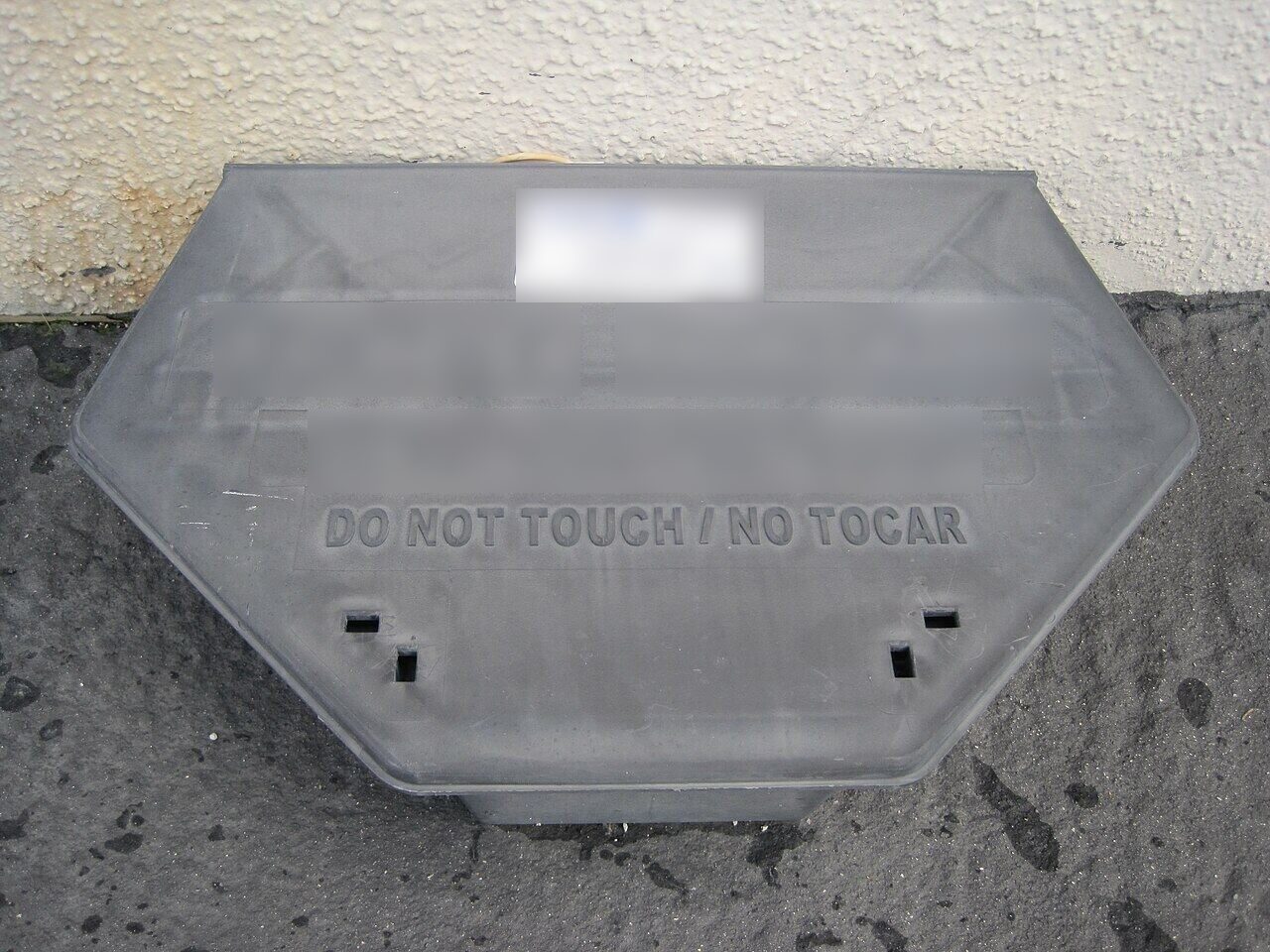
- Traps or locked bait stations around the perimeter
- A service log and a schedule of return visits
- A notice process so tenants know when technicians will enter
Step by step
- The property manager collects reports from tenants and notes affected units
- The technician inspects common areas and the exterior first
- Affected units and their neighbors are inspected with proper notice
- Shared entry points get sealed
- Traps and stations go inside affected units and around the perimeter
- Return visits check every station and unit until activity stops
- The property moves to scheduled monitoring if pressure stays high
Why San Diego buildings get rodents
Many San Diego apartments are two- and three-story stucco buildings from the 1960s through the 1980s, with tuck-under parking, flat or low-pitch roofs and shared attics. Roof rats move through those attics freely. Garden-style complexes in Mira Mesa, Clairemont and the South Bay have courtyards full of palms and hedges, and trash enclosures that stay open.
The city's organics program adds food scraps to green bins, and San Diego's guidance tells residents to keep bins shaded with the lid closed at all times. In multi-unit buildings the organic bin must be picked up weekly. Overflowing bins and propped-open enclosures feed rats fast. See the trash and yard rules guide.
Working with tenants
Tenants are the early warning system. Give them a simple way to report droppings, noises or chewed food. Ask them to keep food sealed, take trash out often and keep balconies clear of stored boxes. When a technician needs to enter a unit, give advance written notice that follows California's entry rules. Clear communication cuts down on repeat complaints and code calls. If tenants file a complaint, a health officer can treat a rodent infestation as a substandard condition under Health and Safety Code 17920.3.
Common mistakes in multi-unit buildings
The most common mistake is treating units one at a time as complaints come in. Each visit pushes rodents into the next unit, and the building never gets ahead. The second is ignoring the trash area. Dumpster lids left open, overflowing green bins and food scraps on the ground keep feeding rats no matter how many traps go inside.
The third is skipping the roof. In buildings with shared attics, rats travel above every unit, and one open vent or gap at the roof edge can supply the whole building. Ask the provider to inspect the roof and attic before treating any unit. Finally, keep records. A log of complaints, visits and repairs helps if a tenant reports the building to the county or files a habitability claim.