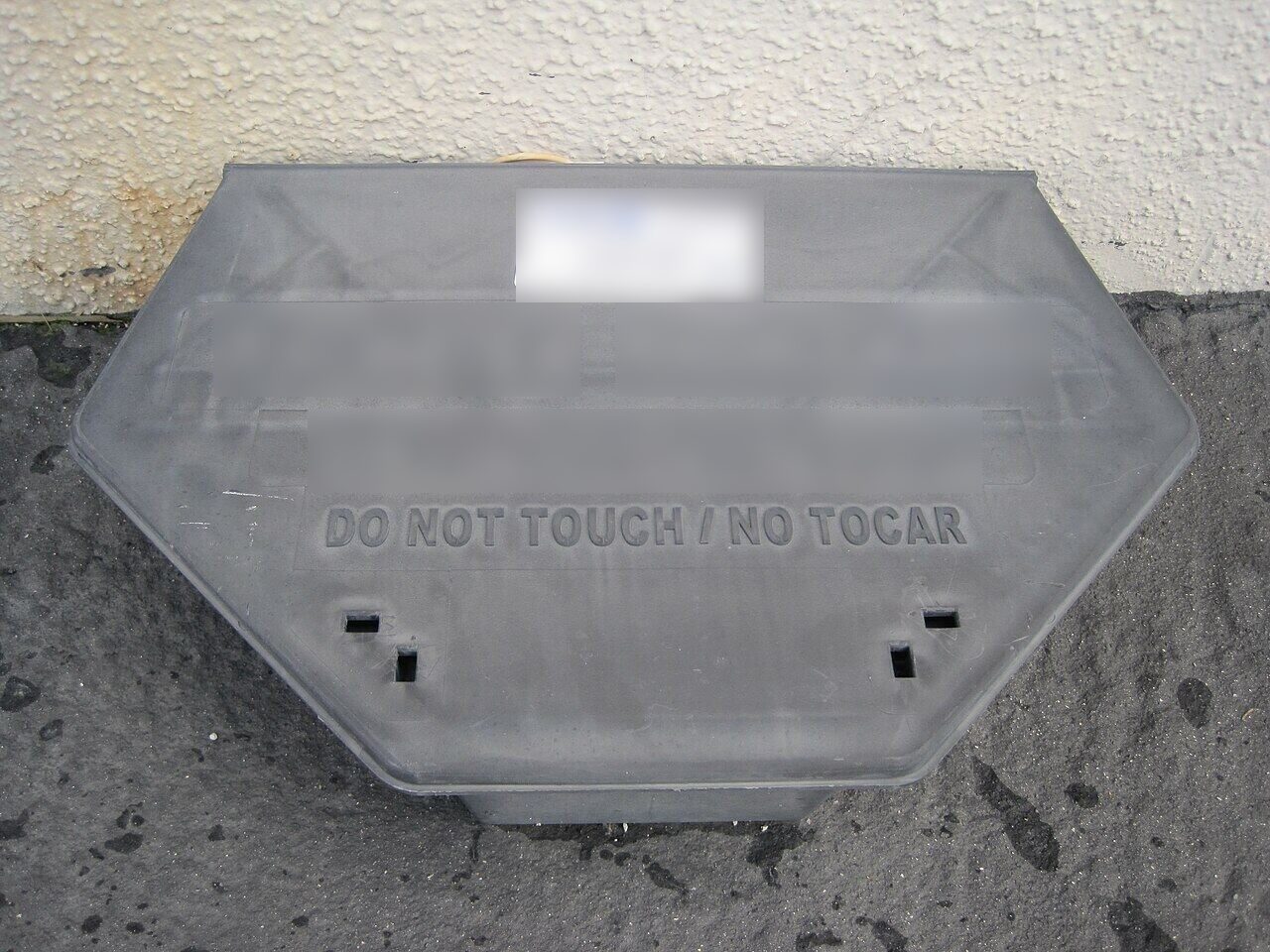
A monitoring plan is a schedule of return visits after the main job. On each visit the technician checks traps and stations, looks at the seals and the roofline, and watches for new signs. It is not for every home. It makes sense when the pressure from outside never stops.
In San Diego that usually means houses on canyon rims, homes surrounded by palms and fruit trees, rentals with tenant turnover, and properties next to open space.
What a good plan includes
- A set schedule, often monthly or quarterly, written into the contract
- Checks of exterior bait stations or traps, with each one logged
- A look at the roofline, vents and garage seals for new gnawing
- An attic check on some visits, not just the yard
- A short written report after each visit
- Clear terms on what happens if activity returns between visits
The State of California's Structural Pest Control Board says that when a contract for periodic pest control is signed, the required notice must state how often treatment will happen. Ask for that in writing.
How plans usually work
- The full job comes first: inspection, sealing, trapping and cleanup
- Once activity stops, outdoor stations or traps are placed along fences and walls
- The technician returns on schedule and records what each station shows
- New activity triggers extra visits or more sealing
- You can review the logs and decide whether to keep the plan
Why some San Diego homes need ongoing checks
The county Vector Control Program lists stripped bark, gnawed fruit and empty snail shells under plants as rat signs. Those are yard signs, and in many San Diego neighborhoods the yard is where the pressure comes from. Canyon fingers run behind homes in Clairemont, Kensington, North Park and University Heights. Mature palms line streets from Coronado to Point Loma. Fruit trees fill backyards in the South Bay and East County.
Roof rats from those places keep testing the house. A sealed house holds up well, but landscaping grows back, roofers lift tiles, and AC installers punch new holes. Monitoring catches those changes.
When a plan is not worth it
If the house is well sealed, the yard is trimmed and the follow-up visits showed no new activity for a few months, a plan may not add much. Ask the provider what activity they have logged in the past few visits. If the answer is none, consider a yearly inspection instead. See why rats come back after an exterminator.
Comparing plan prices
One published cost guide lists annual rat plans at roughly $500 to $1,000 for quarterly service and $900 to $1,250 for monthly service. Compare what each visit covers, not just the price per visit. See rodent control cost in San Diego.
What a visit looks like
A typical visit starts outside. The technician walks the perimeter, opens each station or trap box, notes whether bait was eaten or a trap fired, and replaces what is needed. Then they check the seals at the roofline and garage for fresh gnawing, look at landscaping that has grown back against the house and note any new gaps from repairs.
On some visits the technician goes into the attic and checks for fresh droppings on the insulation. You should get a short report, on paper or by email, that lists each station and what it showed. Over a few months those reports tell you whether activity is falling, steady or rising, which is the best way to decide whether to keep paying for the plan.