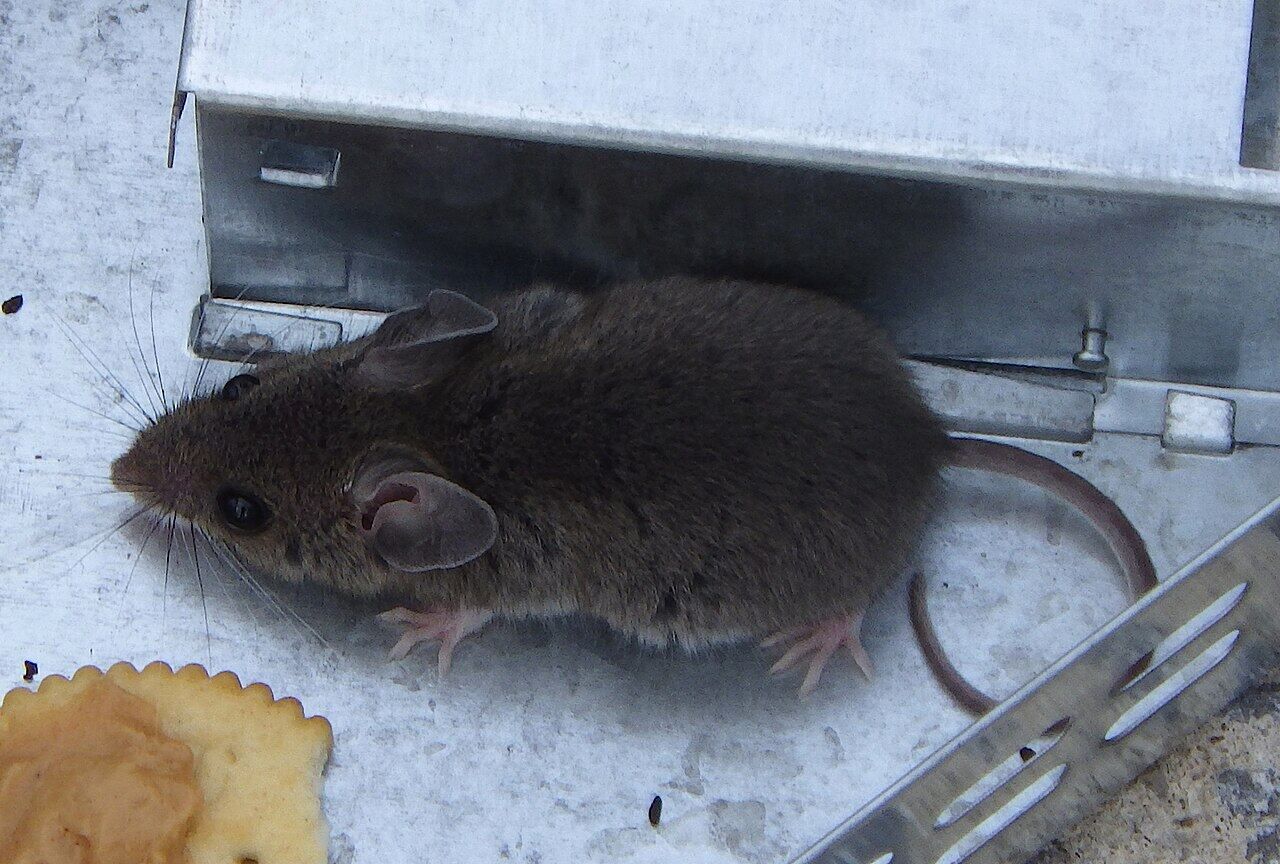
Scratching, rustling or squeaking inside a wall is usually mice, and sometimes roof rats moving between the attic and the floor. Wall voids give them a quiet, protected route between nesting spots and food.
The fix is rarely cutting the wall open. A good technician finds where rodents get into the wall cavity, which is usually at the top from the attic, at the bottom from the crawl space or slab edge, or through gaps around pipes, and works from there.
What a thorough job includes
- Listening and looking: where the sound is, what time of night and whether it moves up and down
- Attic check above the wall for droppings, runways and gaps at the top plates
- Crawl space or slab edge check below the wall
- Gaps around plumbing under sinks, behind toilets and at the water heater
- Gaps behind the stove, dishwasher and fridge, where walls are often open
- Traps placed at the points where rodents enter and leave the wall
- Sealing those points once the rodents inside are cleared
Cutting a small access hole is sometimes needed for a dead rodent or a nest, but it should be the exception. Ask before any drywall is opened.
Step by step
- The technician narrows down the wall section and the likely route in
- Attic and crawl space access points are checked
- Traps go at the openings rodents use to enter and leave the wall
- Interior gaps under sinks and behind appliances are sealed
- Exterior entry points are sealed so no new rodents enter
- Return visits clear traps and confirm the sounds have stopped
Why wall noises are common in San Diego homes
Many San Diego homes are single-story stucco houses on slabs. The walls are open at the top to the attic, so a roof rat or mouse in the attic can drop straight into a wall cavity. Older homes in neighborhoods like Kensington and Point Loma may sit on raised foundations, which opens the walls from below as well.
Remodels add paths. A kitchen redo or a new HVAC line set often leaves gaps where pipes and ducts pass through the plates at the top and bottom of the wall. See mice in walls for how to tell mice from rats by sound and timing, and rodent noises at night for other causes.
When something dies in the wall
A strong, sweet, rotten smell that gets worse over a few days usually means a dead rodent in a wall or ceiling. Poison bait makes this more likely, which is one reason traps are often the better choice inside a house. A technician can sometimes find it by smell, flies or stains and remove it through a small opening. See dead rodent removal.
What to tell the provider
Note which wall, what time the sounds start and whether they move up and down or along the wall. Up and down usually points to a route between attic and floor. Mention any remodel, new AC line or plumbing work, since the gaps often start there. Tell them if you have heard the sounds stop suddenly, which can mean a rodent died inside.
What it costs and how long it takes
Wall jobs are priced like other rodent work: an inspection, sealing and trapping, and return visits. Cutting an access hole or removing a dead rodent adds to the bill, and so does drywall repair if it is needed. One published cost guide lists drywall repair after rat damage at roughly $200 to $550, so it pays to find the entry point from the attic or crawl space first.
Most wall problems quiet down within one to two weeks once the entry points are found and traps are set at them. Sounds that keep going after that usually mean a second route in that has not been found yet. Tell the technician if the sound moves to a new wall. See rodent control cost in San Diego.