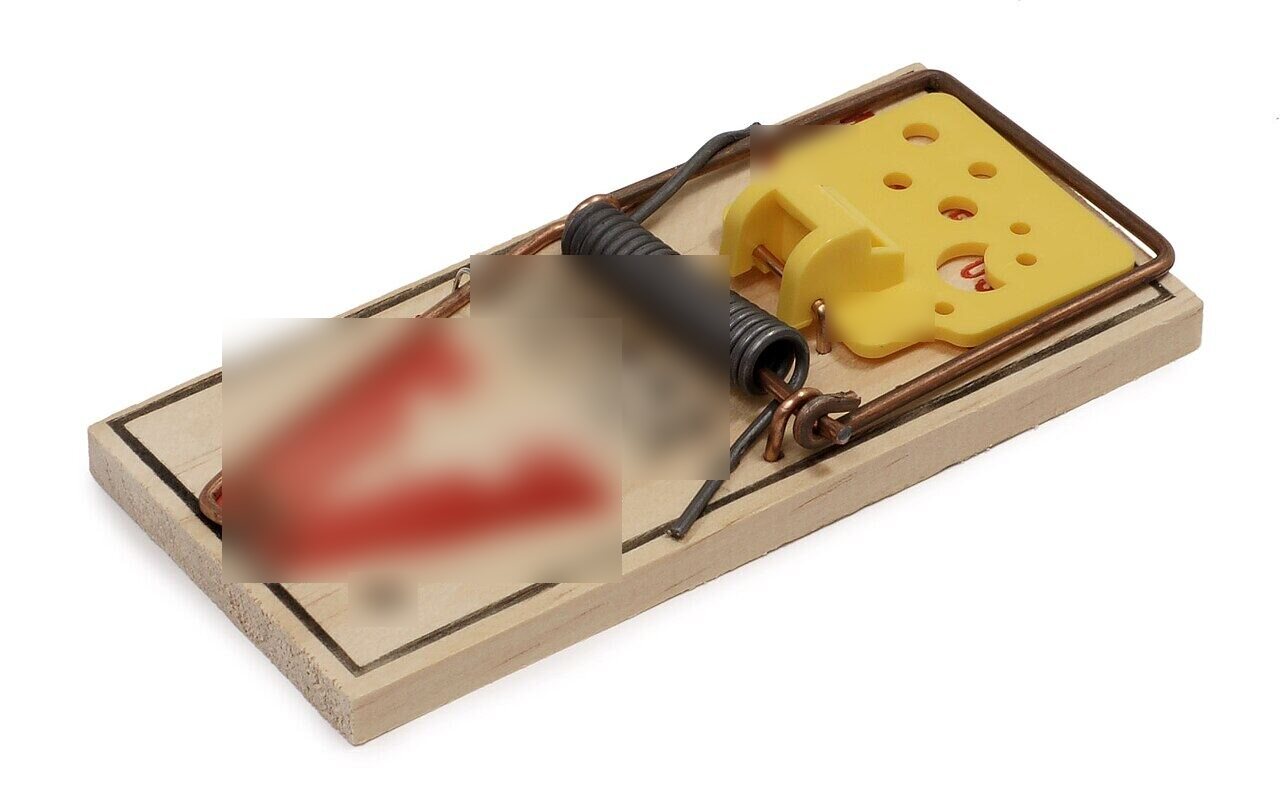
A dead rat or mouse in a wall, ceiling, attic or crawl space produces a strong, sweet, rotten smell that builds over a few days. Flies around a light fixture or a vent are another clue. The smell fades on its own in time, but in a warm San Diego attic that can mean weeks of misery.
Dead rodent removal means finding the body, removing it with the right protection, disinfecting the area and dealing with the reason it was there.
What a thorough job includes
- Tracking the smell by room, wall and height
- Checking the attic, crawl space, garage, under appliances and inside cabinets
- Looking for flies, stains on the ceiling or wall and staining around vents
- Removing the rodent, nesting material and any soaked insulation nearby
- Spraying the area with disinfectant before and after removal
- Odor treatment where needed
- Patching any small access hole in drywall, or telling you if a handyman is needed
- Checking for the entry point that let the rodent in
Step by step
- The technician narrows down the location by smell and signs
- Attic and crawl space access points are checked first, since most bodies are reachable from there
- If the body is inside a finished wall, a small access hole may be cut after you approve it
- The body and nearby soiled material are sprayed, bagged and double-bagged
- The area is disinfected and treated for odor
- Entry points get sealed, or quoted for sealing
How to handle it safely
If you find a dead rodent yourself, the CDC advises wearing rubber or plastic gloves, spraying the rodent and the area with disinfectant or a bleach solution and letting it soak for 5 minutes, then placing it in a plastic bag with any used trap, sealing that bag inside a second bag and putting it in a covered trash can. Wash your hands with soap and warm water after removing the gloves.
Do not pick it up with bare hands. Do not sweep up droppings around it. In the city of San Diego, Get It Done has a Dead Animal category for animals on public streets and sidewalks, but rodents inside your home are the owner's job.
Why it happens in San Diego homes
Poison bait is the usual cause. A rodent eats bait, goes back to its nest in the attic or a wall void and dies there. California has banned most uses of the strongest anticoagulant baits, but other baits are still in use. Rodents also die in walls after getting stuck, or in the attic during hot spells.
San Diego's single-story stucco houses make the search easier in one way: most walls open to the attic, so many bodies can be reached from above. Older homes on raised foundations add crawl spaces to the search. See dead rodent smell for how long the odor lasts.
Stopping the next one
If one rodent died inside, others may be using the same route. Ask the technician to find the entry point and quote sealing. If bait was used inside the house, ask whether traps at the entry points would be a better choice from here on. See rodent exclusion.
What you can do in the meantime
While you wait, open windows in the affected room and run a fan pointed outward. Close the door to keep the smell from spreading. Odor absorbers like baking soda or activated charcoal can take the edge off, but scented sprays only cover it for a short time. Do not cut into the wall yourself unless you are sure of the spot, since a wrong guess leaves you with a hole and the smell.
Flies are the best clue. Watch for them gathering at a light fixture, vent or baseboard. A brown stain spreading on the ceiling or wall is another. Note the spot and tell the technician.