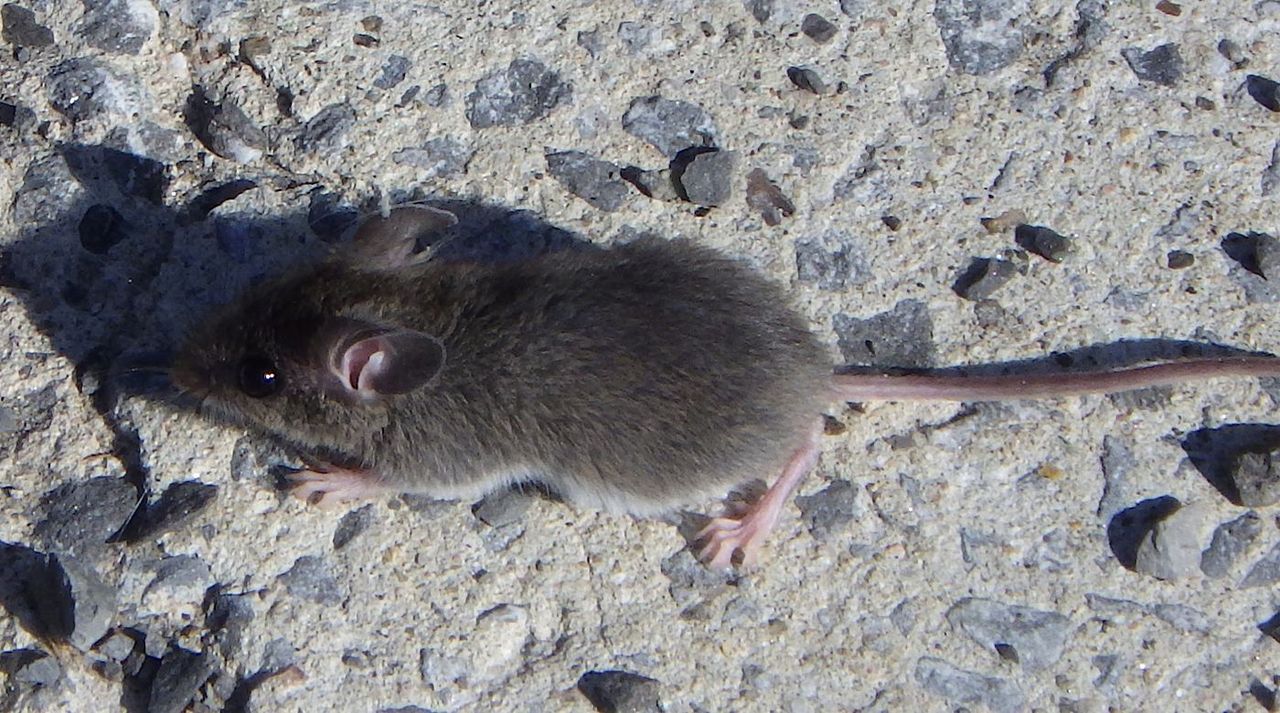
The garage is where a lot of San Diego rodent problems start. It is full of cardboard, pet food, birdseed and quiet corners, and the roll-up door seal is often the weakest seal on the house. Many garages also open straight into a laundry room or kitchen.
A garage job deals with three things at once: the gaps rodents use to get in, the clutter and food that keep them there, and the path from the garage into the house.
What a thorough garage job includes
- The roll-up door: bottom seal, side and top weatherstripping, and the corners where the door meets the jamb
- The side door: door sweep and threshold
- Utility gaps: water heater vents, gas and water lines, the electrical panel and the dryer vent
- The shared wall with the house: gaps around pipes and the door into the house
- Storage: boxes on the floor, open bags of pet food and grass seed, stacked firewood
- Cars: signs of nesting under the hood, chewed wires and droppings on the engine
Then come traps along the walls and behind stored items, and sealing with door sweeps, rodent-proof bottom seals, mesh and sealant.
Step by step
- Inspection of the garage, its doors and the shared wall with the house
- Clutter check, with advice on what to lift off the floor or move into bins
- Sealing of door gaps, pipe gaps and vents
- Traps placed along walls and behind storage
- Return visits to clear traps and check the seals
- Cleanup of droppings with the wet method if needed
Why San Diego garages get rodents
San Diego garages hold more than cars. Many double as storage, workshops, laundry rooms and pantries for bulk goods. Sun and heat dry out rubber door seals, and a seal with a curled corner leaves a gap a mouse can use the same night. In older neighborhoods, detached garages off the alley in North Park, South Park and Kensington often have gaps at the slab and gaps under wood siding.
Roof rats use garages too. They come in through the roof edge or gaps where the garage roof meets the house, then nest in the rafters or in boxes on high shelves. In homes near canyons and open space, deer mice nest in garages and sheds, which calls for careful cleanup. See rodent diseases in San Diego.
Rodents and cars
Rats and mice nest in engine bays, especially in cars that sit for days. They chew wiring, and some car wiring uses soy-based insulation, which people often blame for attracting rodents. Look for droppings on the engine cover, shredded insulation from the hood liner and chewed hoses. Repair costs can be high, so mention any car damage when you call. See rats in the garage and car engine.
What you can do now
Move pet food, birdseed and grass seed into metal or hard plastic bins with lids. Get boxes off the floor and onto shelves with space behind them. Keep the garage door closed at night. Store firewood outside on a rack, 18 inches off the ground and 12 inches from walls, as the county advises. Check the bottom seal by looking for daylight under the closed door from inside.
Garage storage that keeps rodents out
Rodents in a garage are usually there for food and shelter, and both are easy to cut down. Use hard plastic or metal bins with tight lids instead of cardboard boxes, and stack them on wire shelving with a gap behind so you can see the wall. Store bags of dog food, chicken feed and birdseed in metal cans. Keep the floor along the walls clear so droppings show up fast and traps can sit flat against the wall.
Refrigerators and freezers in the garage collect crumbs and warmth underneath, and rodents nest behind the coils. Pull them out once a season and clean behind them. If you keep a second car, a boat or an RV that sits, open the hood or hatch now and then and look for nesting material.