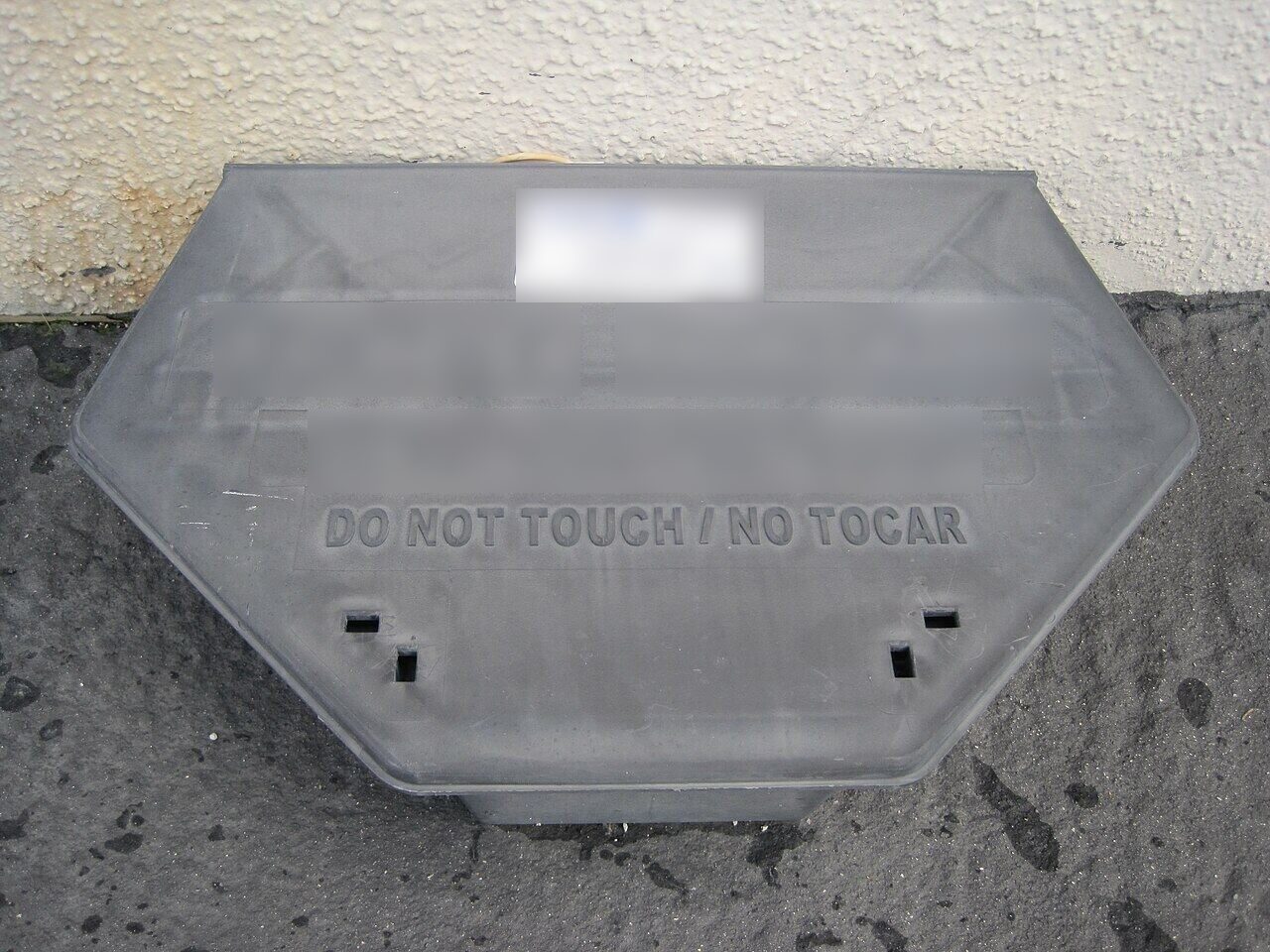
A rat in a break room or droppings in a stockroom is a problem for any business. For offices, retail stores, gyms, schools, clinics and churches, a commercial rodent program means scheduled visits, sealing of the building, traps and stations placed with care, and records of every visit.
Food businesses have stricter rules. If you run a restaurant, café or market, see restaurant rodent control.
What a commercial program includes
- An initial inspection of the building, roof, loading areas, trash enclosures and landscaping
- A site map showing every trap and station
- Sealing of door gaps, roof penetrations, utility entries and wall gaps
- Door sweeps on back doors and loading doors
- Interior traps in storage rooms, break rooms, ceilings and mechanical rooms
- Exterior locked stations along the building line where allowed
- Service visits on a set schedule, often monthly
- A written report for each visit, kept on site
- Advice on housekeeping, storage and dumpster management
Step by step
- Walk-through with the facilities manager or owner
- Inspection and site map
- Sealing of entry points, often after hours
- Trap and station placement
- Scheduled service visits with written logs
- Quarterly review of trends and repairs
Why San Diego businesses see rodents
Strip centers along Convoy Street, El Cajon Boulevard, University Avenue and Broadway in Chula Vista share walls, ceilings and trash enclosures. A rat problem in one suite becomes everyone's problem. Older storefronts in North Park, Ocean Beach and La Mesa Village have decades of gaps in their walls and roofs. Business parks in Sorrento Valley, Kearny Mesa and Miramar sit next to canyons and open space.
Landscaping plays a part too. Palms and dense hedges around parking lots and patios hold roof rats right next to the building. A program that ignores the landscaping fights the same rats every month.
Records and liability
Keep the service reports, the site map and any receipts. If a customer, employee or inspector raises a rodent issue, those records show what was done and when. Under state law, a structural pest control company must give written notice before applying pesticides, naming the pest and the products. Ask for copies. Confirm the company is registered with the Structural Pest Control Board. See how to verify a pest control license.
What to ask a provider
Ask how many visits per month, what each visit includes, how fast they respond to a sighting between visits, and whether sealing is part of the contract or quoted separately. Ask who will do the work and what license they hold. Ask for a sample report.
Housekeeping that helps
Rodent programs work better when the building helps. Keep stock and supplies on shelves off the floor with space behind them. Clean break rooms daily and store snacks in sealed containers. Empty trash at the end of each day and keep dumpster lids closed. Close back doors and loading doors when not in use, and do not prop them open for air.
Trim landscaping back from the building, especially palms, ivy and hedges that touch walls or the roof. Report sightings to the provider right away, with the time and place. Small habits like these cut down on the number of visits and catches over time, and they show inspectors and customers that the business takes rodents seriously.
Schools, clinics and offices
Some buildings need extra care. Schools and child care centers should ask how traps and stations are kept out of reach of children and when the work will happen. Medical and dental offices need clean storage rooms and sealed ceilings above exam rooms. Office buildings with drop ceilings give roof rats a hidden highway above every suite, so a ceiling check belongs in the inspection.