Rodent droppings and urine carry germs, and the way you clean them matters more than how fast. Sweeping or vacuuming dry droppings puts particles in the air. The CDC and the County of San Diego both say to wet them with disinfectant first.
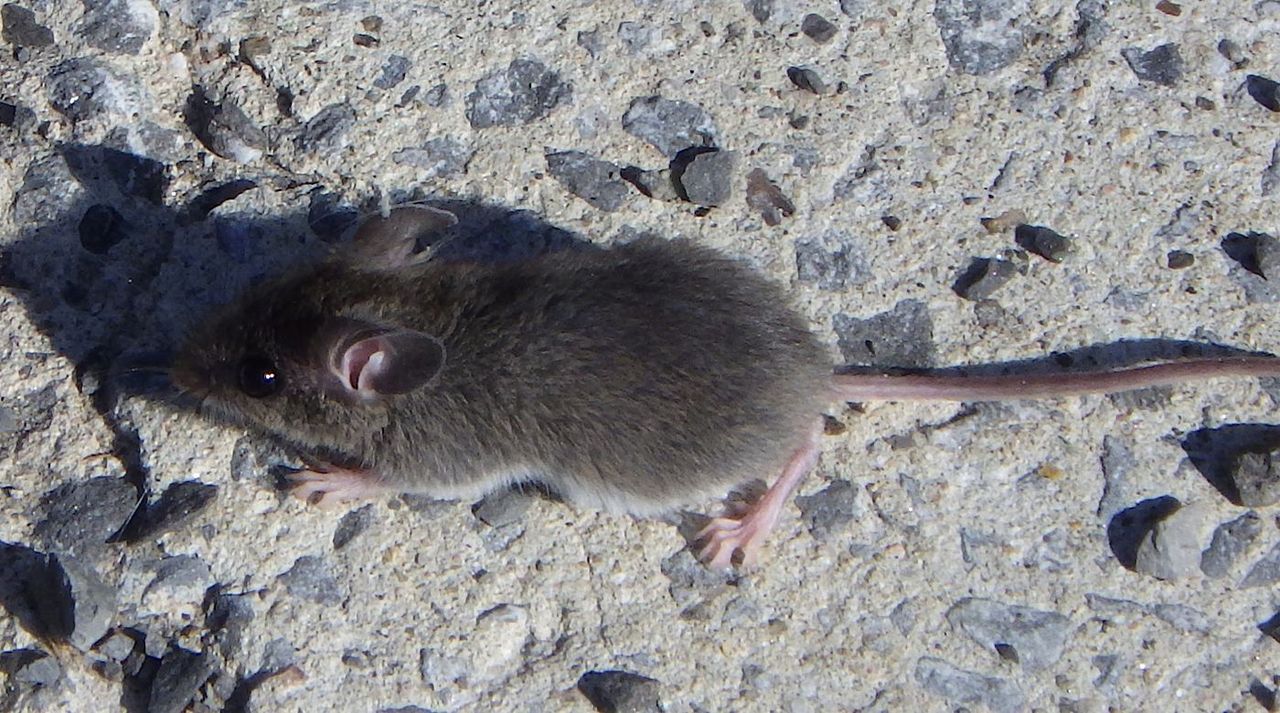
In most San Diego homes the droppings come from roof rats or house mice. Near canyons, open space and in the backcountry, deer mice are more common, and they are the main carrier of hantavirus in California. That is when careful cleanup counts most.
What a thorough cleanup includes
- Identifying the rodent from the droppings, so the cleanup matches the risk
- Ventilating the space before work starts
- Gloves, eye protection and a respirator for the crew
- Spraying droppings, urine stains and nests with disinfectant and letting it soak
- Wiping up with paper towels and bagging the waste
- Disinfecting shelves, counters, floors and cabinet interiors
- Washing or discarding items that cannot be disinfected
- Advice on food that should be thrown out
Cleanup without sealing just resets the clock. Pair it with mouse control or rat control.
The wet method, step by step
The CDC steps for urine and droppings:
- Open doors and windows for 30 minutes before cleaning
- Put on rubber or plastic gloves
- Mix 1.5 cups of household bleach in 1 gallon of water, or 1 part bleach to 9 parts water
- Spray the droppings and let them soak for 5 minutes, or as the disinfectant label says
- Wipe up with paper towels and throw them in a covered trash can
- Mop or sponge the area with disinfectant
- Wash your hands with soap and warm water after removing gloves
For closed spaces where wild mice have been, the county's 2026 hantavirus brochure adds more: air out for at least 2 hours, wear a mask and eye protection too, and soak for 15 minutes.
Where hantavirus fits in San Diego
The county says deer mice are the main carriers of Sin Nombre hantavirus and are found mostly in rural areas, the desert and the mountains. Most human cases follow cleaning or occupying cabins and small closed buildings where infected mice have left droppings. The county tests wild rodents every year, and on average about 3 percent of sampled mice test positive. House mice do not carry it.
So a pantry in a Hillcrest condo and a shed on a Ramona ranch are different jobs. If you live near open space or are opening a cabin or shed that has been shut for a while, tell the provider. See rodent diseases in San Diego.
Common spots in San Diego homes
Kitchen drawers and lower cabinets, the back of the pantry, behind the stove and fridge, the water heater closet, garage shelves, patio storage benches, pool equipment enclosures and backyard sheds. Outdoor storage is where many people get surprised, because it stays closed for months. See mouse droppings identification and rat droppings identification.
When to hire it out
A few mouse droppings in one drawer are a do-it-yourself job with gloves, bleach solution and paper towels. Hire a trained crew when the droppings cover a large area, when you find nests or dead rodents, when the space is a closed shed, cabin or crawl space that has been shut for a while, or when anyone in the house has a lung condition or a weak immune system.
A crew should bring respirators and disinfectant, wet everything before removal, bag the waste and leave the area disinfected. Ask whether they will remove contaminated insulation, cardboard or fabric, and whether that costs extra. If the droppings came from deer mice, ask how they handle hantavirus risk.